
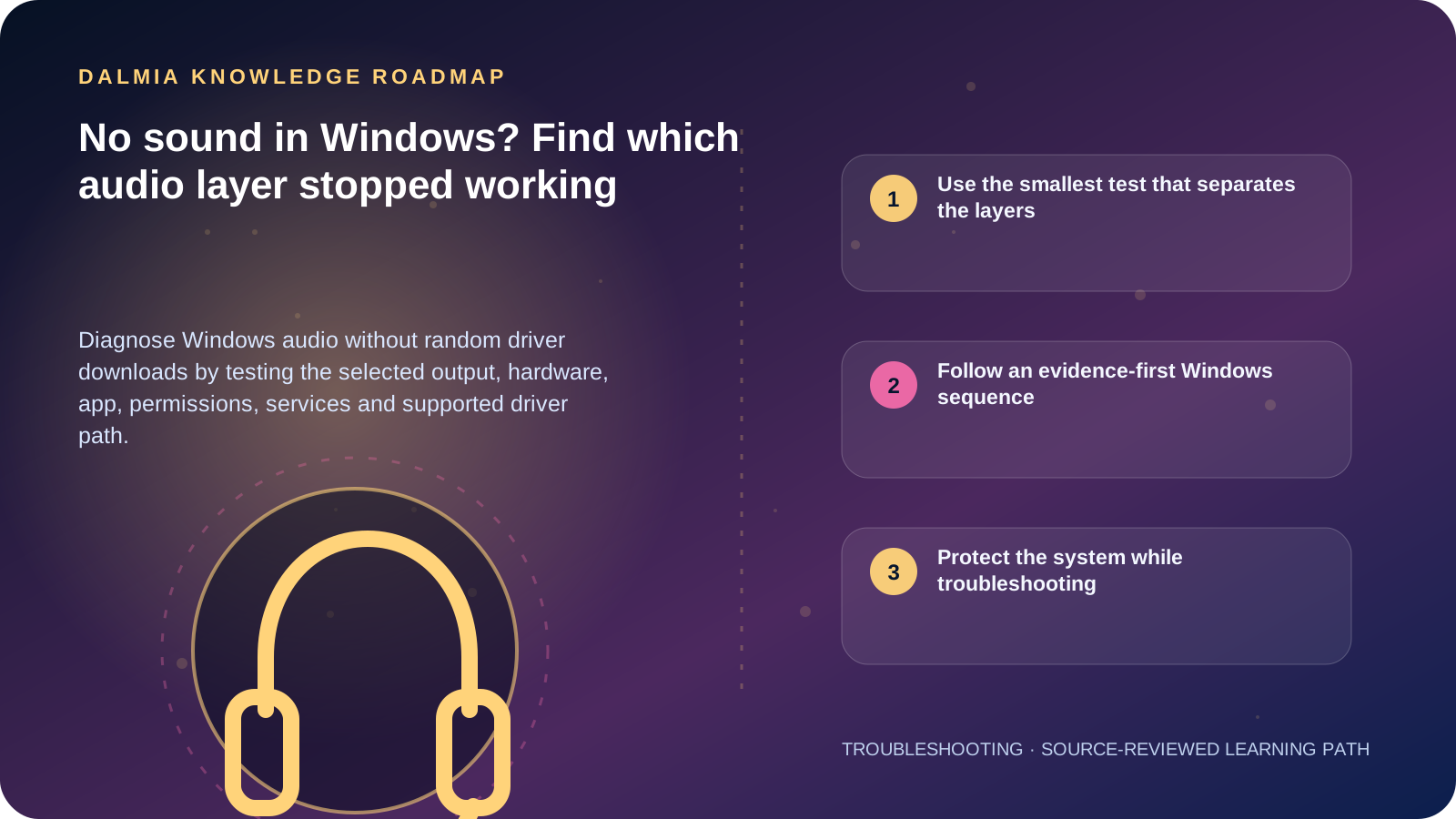
First confirm the intended output device is selected and unmuted, then test a Windows system sound or a known local file. If every app is silent, check the cable or wireless connection, device enablement, Windows troubleshooter, updates and the supported driver path. If only one app fails, inspect that app's output, volume and permissions. Avoid random driver-download sites and preserve the previous working driver when an update appears to have triggered the fault.
Use the smallest test that separates the layers
| Observation | Investigate next | Do not assume |
|---|---|---|
| Only one app is silent | App volume, selected device, permissions and content | The speaker or driver has failed |
| System sounds work but browser media does not | Browser tab/site mute, output and permissions | Windows audio services need reinstalling |
| HDMI display selected but display has no speaker | Windows output selection | The laptop speaker is defective |
| Headphones work but built-in speaker does not | Speaker output, jack detection and device state | Every audio component is faulty |
| Audio stopped after an update | Pending restart, supported driver update or rollback | A generic third-party driver is safer |
Follow an evidence-first Windows sequence
- Record the Windows version, device model, affected apps, selected output and what changed before sound stopped.
- Check physical volume, power, cable or wireless connection and select the intended output from Windows Sound settings.
- Confirm the device and relevant app are not muted or disabled, then test a system sound and a known local file.
- Run the supported Windows audio troubleshooter and install pending Windows updates through the official settings path.
- If the fault follows an update, use Device Manager and the device manufacturer's supported driver guidance; preserve the option to roll back where Windows provides it.
- Test one known-good wired output where available to separate Bluetooth, HDMI, jack and internal-speaker paths.
- Escalate with the selected output, Device Manager state, error code, update history and which tests passed.
Protect the system while troubleshooting
Microsoft's current guidance separates output selection, cables, mute/device state, troubleshooting, updates, drivers, services and app permissions. That order avoids turning a routing mistake into a risky reinstall.
Windows 10 reached end of support on 14 October 2025. A device may still run, but an unsupported operating system is a security and maintenance concern separate from the immediate audio fault.
Sources and further reading
Technical statements were reviewed against these references. External pages may change after our review date.
- Fix sound or audio problems in Windows — Microsoft Support
- Fix audio stops working after a Windows update — Microsoft Support