
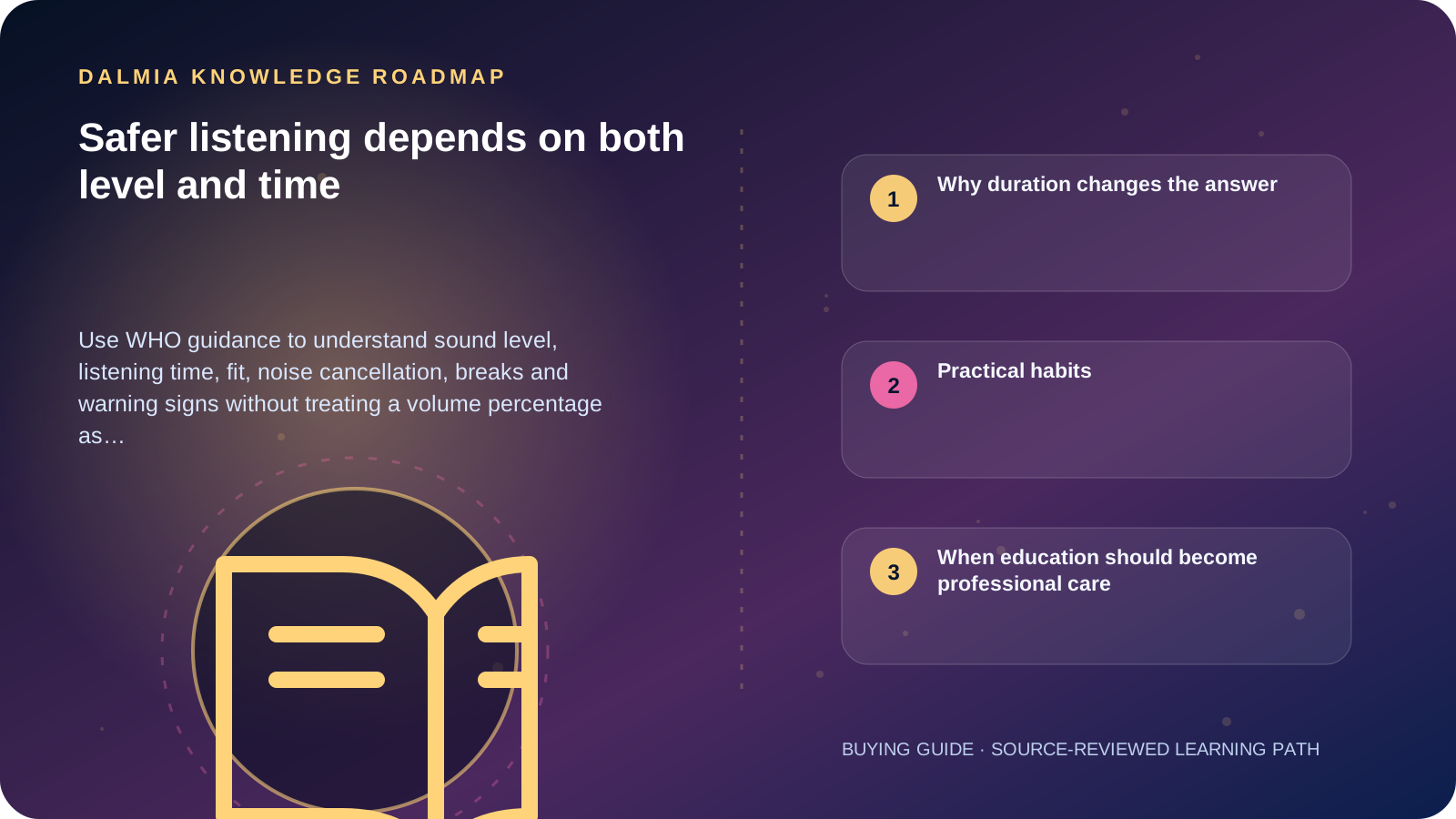
Risk rises as sound level, listening duration and repeated exposure increase. WHO advises keeping personal-device volume no higher than about 60% of maximum, using well-fitted or noise-cancelling headphones to avoid raising volume in noise, taking breaks and monitoring exposure where possible. Device percentages are only a practical cue—not a calibrated decibel measurement or medical guarantee.
Why duration changes the answer
WHO explains that louder sound allows less safe listening time. Its example contrasts about 40 hours per week at 80 dB with about four hours per week at 90 dB. This is why one fixed daily time or volume percentage cannot describe every device, recording, earphone fit and environment.
Built-in exposure monitoring can be more informative than the slider alone when the device supports it. Treat estimates as guidance and respond to warning signs.
Practical habits
- Start at a low level and raise it only enough for clear listening.
- Use a good fit or noise cancellation in noisy places instead of competing with the environment through volume.
- Take quiet breaks and reduce both level and duration after loud activities.
- Use device exposure alerts or monitoring features where available.
- Keep awareness of traffic, machinery and other safety cues when isolation or noise cancellation is active.
When education should become professional care
WHO recommends seeking professional help for warning signs such as persistent ringing, trouble hearing high-pitched sounds or difficulty following conversations. Sudden hearing loss, severe pain, discharge, dizziness or one-sided acute symptoms need prompt medical evaluation.
This page provides general education and cannot diagnose hearing loss or establish a safe exposure for an individual.
Sources and further reading
Technical statements were reviewed against these references. External pages may change after our review date.
- Deafness and hearing loss: Safe listening — World Health Organization