
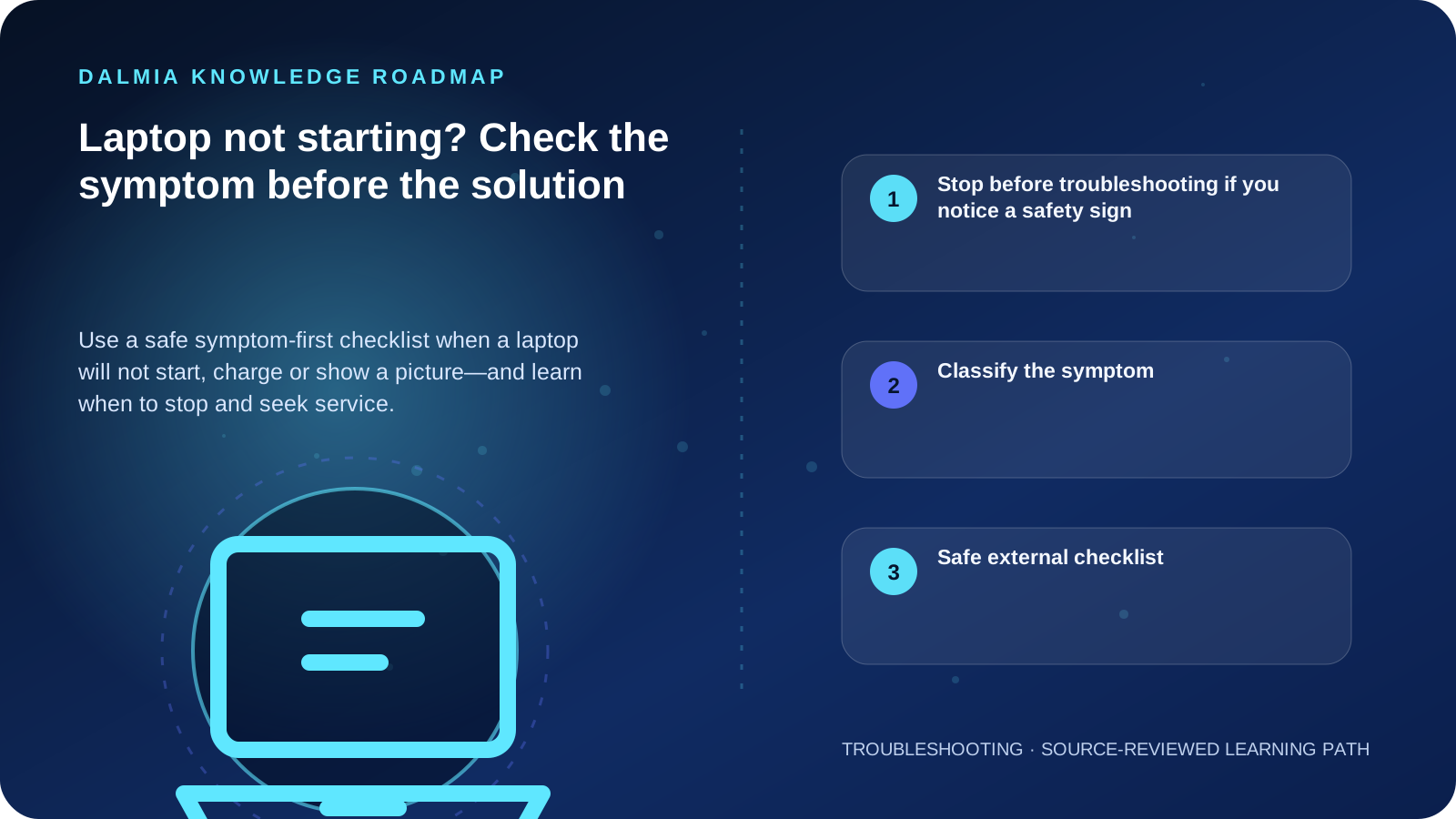
First identify whether the laptop has no power, has power but no picture, or begins loading and then fails. Disconnect unnecessary accessories, verify the correct charger and outlet, and observe lights, fan sound or screen activity. Stop immediately for swelling, liquid exposure, burning smell, sparks or excessive heat.
Stop before troubleshooting if you notice a safety sign
- Battery or case swelling
- Burning smell, smoke, sparks or crackling
- Liquid inside the laptop or charger
- Damaged cable insulation, bent power connector or unusual charger heat
- A recent fall followed by internal movement or damage
Classify the symptom
| Symptom | What to observe | Safe next step |
|---|---|---|
| No light, sound or fan | Outlet, charger indicator and power connector | Verify known-good power path and correct charger specification |
| Lights or fan, no picture | Brightness, external display, startup sounds | Remove accessories and check whether the display path is the issue |
| Logo appears, then stops | Error text, repeating restart or recovery screen | Record the exact message; avoid repeated forced shutdowns |
| Starts only on charger | Battery status and swelling | Check battery health and seek service if the battery is abnormal |
Safe external checklist
- Disconnect USB devices, memory cards, docks and external displays.
- Confirm the wall outlet works with another low-risk device.
- Check that the charger belongs to the laptop and matches its required connector and power specification.
- With power disconnected, hold the laptop power button for about 15 seconds, then reconnect the charger and try once. This does not apply when a manufacturer documents a different reset method.
- Increase screen brightness and look for a faint image or external-display output if the laptop otherwise appears to start.
- Photograph or write down any light pattern, beep sequence or error message before seeking support.
When service is the responsible next step
Seek professional diagnosis when the correct power path is verified but the laptop remains dead, when the charging connector is loose or damaged, when the system repeatedly shuts down, or when opening the device would risk data, warranty or safety.
Bring the laptop, its charger and a description of what happened before the failure. If data is important, state that before any reset, operating-system installation or storage work.
Sources and further reading
Technical statements were reviewed against these references. External pages may change after our review date.
- Caring for your battery in Windows — Microsoft Support
- Device performance and health in the Windows Security app — Microsoft Support