
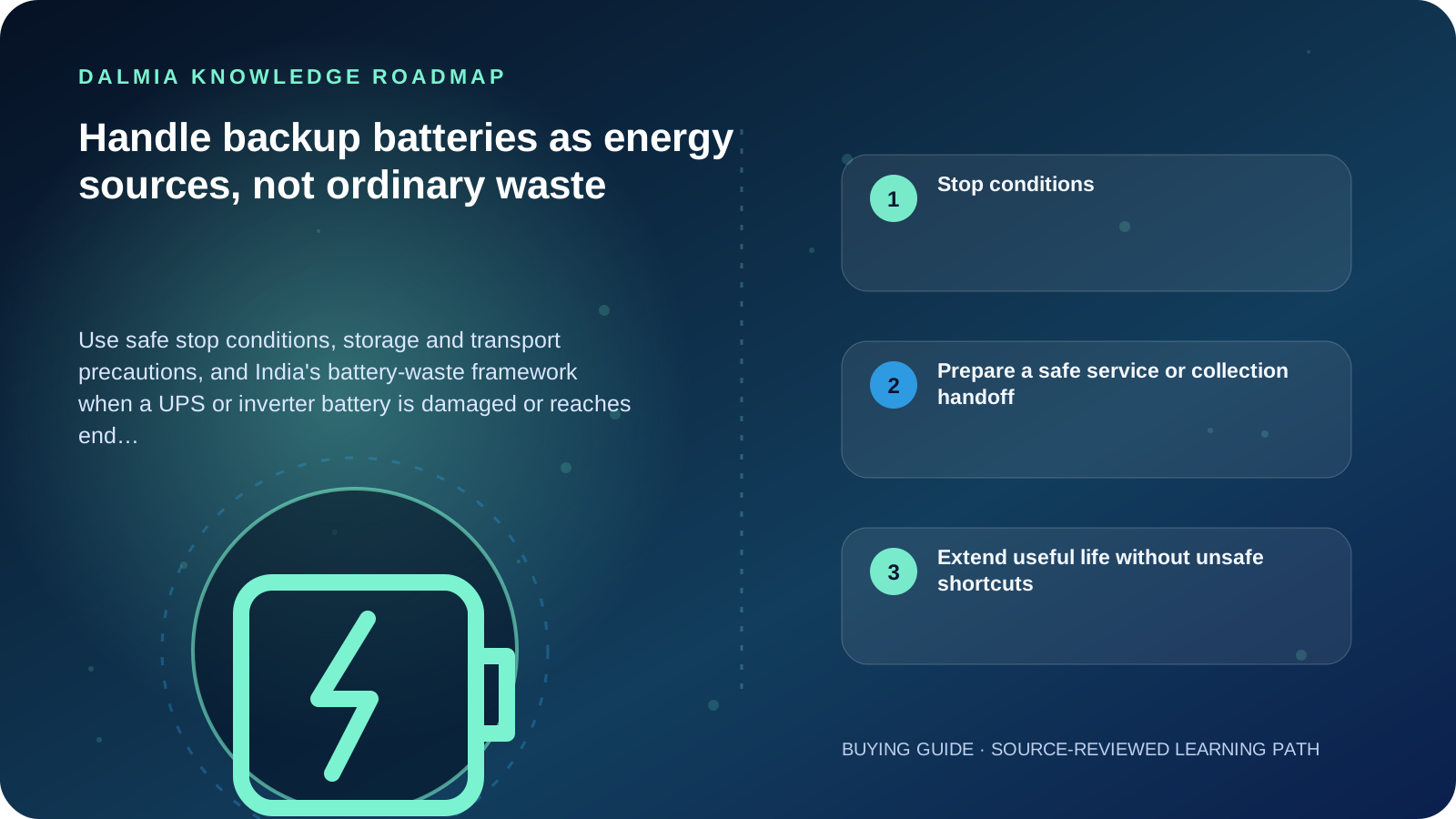
Stop using a battery that is swollen, leaking, cracked, unusually hot, strongly odorous or repeatedly alarming. Isolate it from heat and ignition only when this can be done safely, avoid touching leakage or bridging terminals, and contact the manufacturer, qualified service provider or appropriate collection channel. India's Battery Waste Management Rules create a formal collection and recycling framework; do not place a spent backup battery in mixed household waste.
Stop conditions
- Swelling, deformation, cracks, leakage or damaged terminals
- Unusual heat, smoke, hissing, strong odour or discoloration
- Repeated alarms, failure to charge or unexpectedly short backup after verified load checks
- Water exposure, impact damage or incorrect replacement history
Prepare a safe service or collection handoff
- Record the equipment and battery model, chemistry, age and visible symptom without opening the battery.
- Power down and isolate equipment only through the documented safe procedure.
- Protect exposed terminals from accidental contact using the method specified for that battery and transport channel.
- Keep the battery upright and secure when the product design and carrier instructions require it; avoid heat and physical damage.
- Use a manufacturer, dealer take-back, registered recycler or other appropriate channel under the applicable Indian battery-waste process.
- Keep the replacement and handoff record for future maintenance.
Extend useful life without unsafe shortcuts
Ventilation, temperature, compatible charging, reasonable load and periodic documented tests can affect reliability. Follow the exact system and battery documentation; a different chemistry, voltage or charging profile is not a drop-in substitute merely because the case fits.
End-of-life routing is an environmental and safety task. The regulatory source on this page is provided for education, not legal advice; current local collection options and obligations should be verified at the time of disposal.
Sources and further reading
Technical statements were reviewed against these references. External pages may change after our review date.
- Battery Waste Management Rules, 2022 — Central Pollution Control Board, India
- UPS buying guide: Choose the right battery backup — Schneider Electric